Wellness Club — Healthy Heart, Healthy Plate
Abingdon, VA. -
Sunday, Feb 1, 2026.
Writen by: Chastity O’Quinn, RDN, LDN
Caring for your heart doesn’t have to mean following a rigid meal plan or giving up all your favorite foods. In fact, the American Heart Association (AHA) encourages a more flexible, sustainable approach. One that focuses on everyday habits rather than perfection. Heart‑healthy eating is about making consistent choices that help your body function at its best.
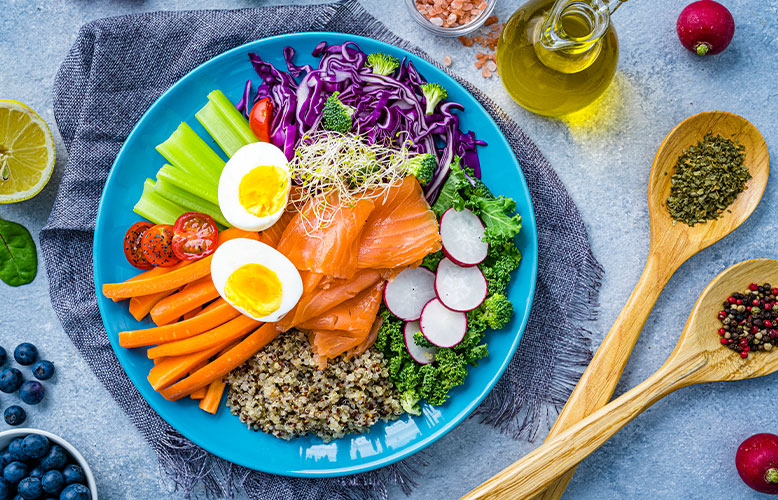
One of the simplest ways to support your heart is by adding more whole foods to your plate. Fruits and vegetables are nutritional powerhouses, rich in vitamins, minerals, and fiber that help keep your blood vessels strong and your digestive system running smoothly. Whole grains such as oats, brown rice, quinoa, and whole‑wheat bread also play a major role. They help manage cholesterol levels, provide steady energy, and keep you feeling satisfied longer.
Protein is essential for overall health, but the source matters. Choose fish, poultry, beans, and lentils more often than red or processed meats. Fatty fish like salmon, mackerel, and sardines are especially beneficial because they contain omega‑3 fatty acids, which have been linked to a lower risk of heart disease. Plant‑based proteins add variety and fiber, making them a great addition to any eating pattern.
Healthy fats deserve a place at the table too. Foods like nuts, seeds, avocados, and olive oil offer fats that support heart and brain health. On the other hand, saturated and trans fats often found in fried foods, baked goods, and heavily processed snacks, are worth limiting. The AHA also encourages reducing added sugars, particularly from sugary drinks. Too much sugar can contribute to weight gain, diabetes, and elevated triglycerides, all of which strain the heart over time.
Sodium is another factor that often sneaks into our diets. Many people consume far more salt than they realize, especially from packaged or restaurant foods. High sodium intake can raise blood pressure, a major risk factor for heart disease. Simple habits like cooking at home more often, tasting your food before adding salt, and choosing lower‑sodium versions of pantry staples can make a meaningful difference.
The most important message is that heart‑healthy eating doesn’t need to be overwhelming. Small, steady changes like adding an extra serving of vegetables, drinking more water throughout the day, or swapping refined grains for whole grains, can add up in powerful ways. Over time, these habits become part of your routine, supporting not just your heart but your overall well‑being.