Wellness Club — American Heart Month - DASH Diet Spotlight
Abingdon, VA. -
Sunday, Feb 1, 2026.
Written by: Nicole Pazdziorko, RDN, LDN
The DASH diet, or Dietary Approaches to Stop Hypertension, is a heart healthy eating style, and one of the most highly regarded and well researched dietary patterns. Originally developed by the National Heart, Lung and Blood Institute (NHLBI), the diet is designed to help lower blood pressure, as the name suggests, but can also promote overall heart health, diabetes prevention and longevity.
Unlike many diets, DASH does not require buying specialty foods while forbidding others. Instead, it encourages a flexible and balanced approach that can support long-term well-being, emphasizing nutrients known to support healthy blood pressure levels, like fiber, potassium, calcium, and magnesium. Meanwhile, it de-emphasizes nutrients that can adversely impact heart health when consumed in excess, like sodium, saturated fats, and added sugar.
What to Include
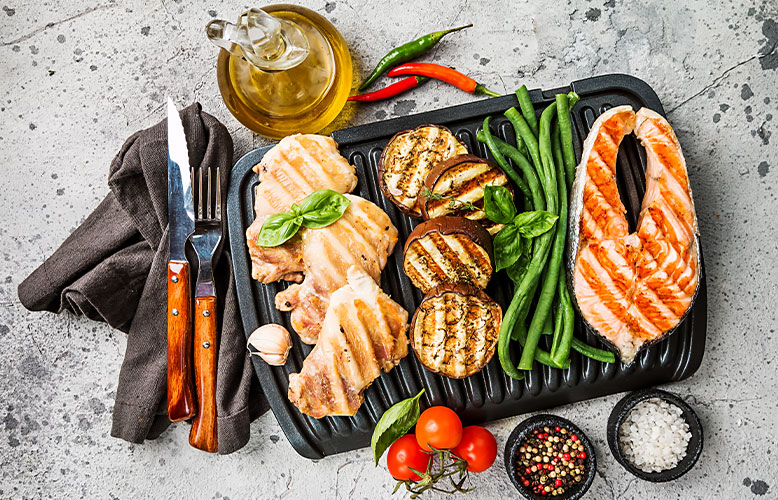
The DASH diet encourages a plant forward plan that features eight to eleven servings of fruits and vegetables, whole grains, fish, lean poultry, nuts and seeds, dairy and unsaturated fats. Try adding the following foods to your menu.
Fresh, canned or frozen vegetables without added salt:
- Full Circle Market Mixed Vegetable
- Potatoes
- Food Club No Salt Added Sliced Carrots
Fresh, canned or frozen fruits without added sugar:
- Bananas
- Food Club Unsweetened Mixed Fruit
Whole Grains:
Fish, seafood and lean poultry:
- Boneless Skinless Chicken Breast
- Salmon
Healthy fats:
- Avocado
- Almonds
What to Limit
While there are no forbidden foods on the DASH eating pattern, it encourages limiting intake of salty foods, fatty processed meats, sweets and added sugars. Sodium recommendations on the plan are 1,500-2,300 milligrams per day, significantly lower than the average American intake of 3,400 milligrams.
To reduce these foods in your diet, try these tips.
- Limit high-sodium packaged foods and meats, like sausage and bacon, canned soups, certain condiments and salty snacks
- Try swapping sugary beverages, like soda or lemonade, for sparkling water or unsweetened tea
- Replace saturated fats like butter with unsaturated cooking oils, like olive or avocado oil
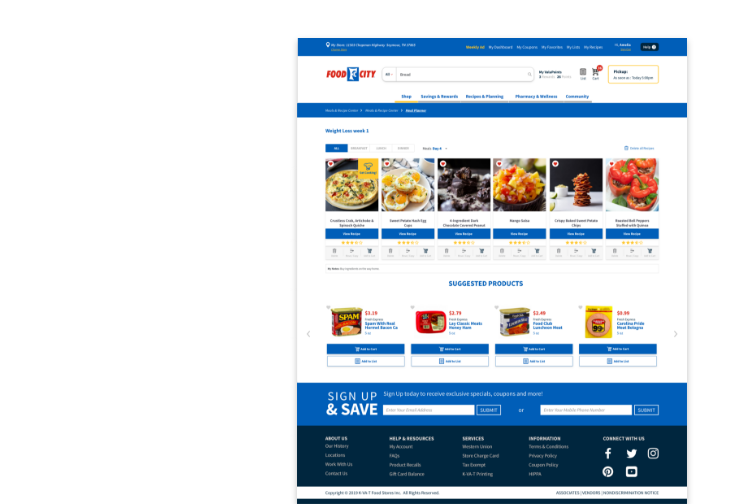
- Use Food City’s Pick Well tags to identify healthier alternatives with the Low Sodium and Heart Healthy tags
- Flavor meals with citrus, fresh herbs, bold spices, aromatics and vinegar instead of adding the salt shaker