Wellness Club — Small but Mighty: Micronutrients
Abingdon, VA. -
Sunday, Mar 1, 2026.
Written by: Nicole Pazdziorko, RDN, LDN
When we think about nutrition, we often focus on the three major nutrients – protein, carbohydrates, and fat. But we tend to overlook another category that plays a huge role in how our body functions – micronutrients. While we need these in small amounts – typically milligram and micrograms – they contribute enormously to all the systems of the body. In fact, while they contribute no energy (calories) to our diet, our bodies require them to convert the food we eat into fuel. The nervous system, digestive system, circulatory system, and more all depend on these small but mighty nutrients.
Grouped into two categories, micronutrients include vitamins and minerals that contribute in various ways to these systems, including supporting metabolism and hormone function, building and maintaining teeth, bones and skin, regulating nerve function, our heartbeat and fluid status. Vitamins are organic elements that can be further divided into water-soluble (vitamin C and B vitamins) and fat-soluble vitamins (A, D, E and K), while minerals are inorganic compounds.
Vitamins
- Thiamin (vitamin B1)
- Riboflavin (vitamin B2)
- Niacin (vitamin B3)
- Pantothenic Acid (vitamin B5)
- Biotin (vitamin B7)
- Folate (vitamin B9)
- Cyanocobalamin (vitamin B12)
- Vitamin A
- Vitamin C
- Vitamin D
- Vitamin E
- Vitamin K
Minerals
- Calcium
- Chloride
- Chromium
- Copper
- Iodine
- Iron
- Magnesium
- Manganese
- Molybdenum
- Phosphorous
- Potassium
- Selenium
- Sodium
- Zinc
Eating a variety of different foods from different food groups - in the appropriate portions for your body - is one of the best ways to ensure you’re getting the full spectrum of support your body needs. In the United States, true vitamin and mineral deficiencies are relatively uncommon. However, many Americans consistently fall short on a few key nutrients: calcium, potassium and vitamin D.
To increase calcium intake, most adults should aim to consume three servings of dairy or fortified dairy alternatives per day. One serving equals:
• 1 cup of milk
• 1 cup of yogurt
• 1 ½ ounces of cheese
Potassium is found in many fruits and vegetables, and is especially abundant in foods like potatoes, bananas, kiwi, dark leafy greens, and beans.
Vitamin D can be more challenging to obtain, particularly during the winter months when sun exposure is limited. Food sources include dairy products fortified with vitamin D, fatty fish and canned fish with bones, and mushrooms exposed to UV light.
My Nutrition Profile
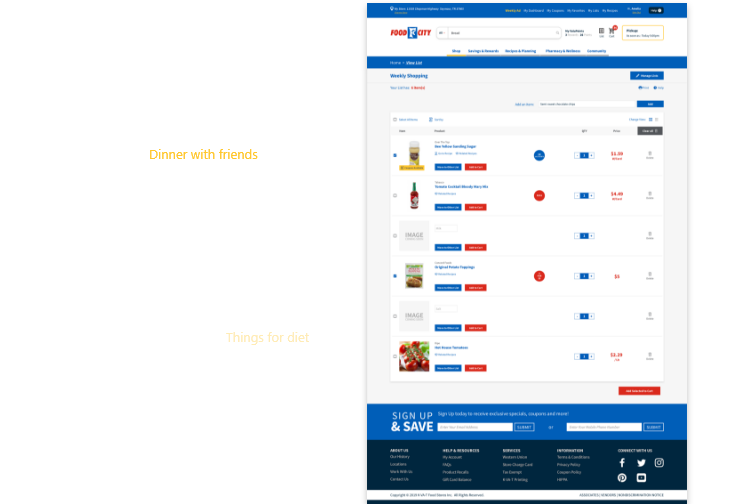
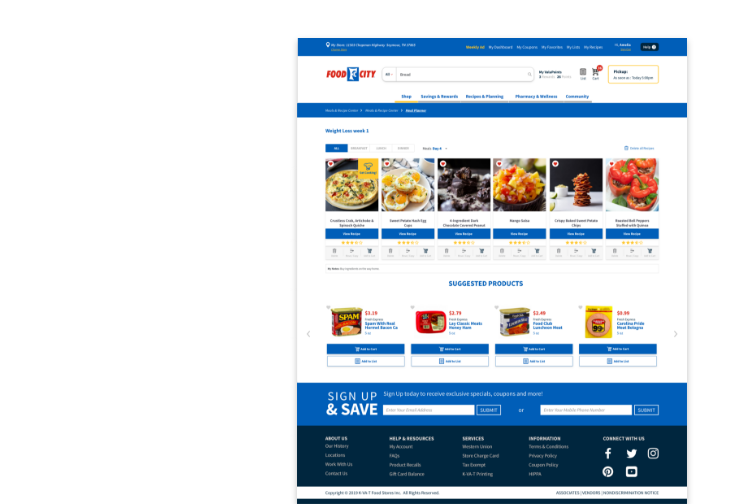
With Food City’s My Nutrition, you can easily find foods that help you meet these nutrient needs. Through your account, you can customize your unique nutrition profile to filter products that are good sources of vitamin D, calcium and potassium. Create your account and start personalizing your shopping experience.