Wellness Club — Spring Cleaning Food Safety
Abingdon, VA. -
Wednesday, Apr 1, 2026.
Written by: Nicole Pazdziorko, RDN, LDN Food City Corporate Dietitian
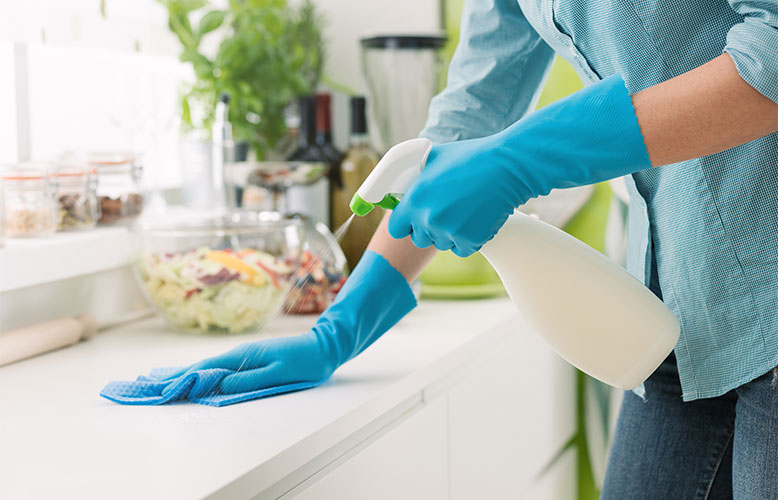
April is the prime time to freshen our homes for spring, and that includes your kitchen. As you embrace the season of renewal, don’t forget to incorporate food safety into your spring-cleaning routine. Ensuring our counters, cupboards and refrigerators are properly organized and foods are stored in a safe manner is essential to prevent foodborne illnesses and ensures your ingredients stay fresh and safe.
Foodborne illnesses affect millions of Americans every year, leading to tens of thousands of hospitalizations and hundreds of deaths each year. Commonly known as food poisoning, foodborne illnesses come from eating contaminated foods that contain harmful bacteria or pathogens. The most common foodborne illnesses and their culprits include:
Escherichia coli (E. Coli) — Contaminated water or food, including raw ground beef, raw fruits and vegetables, unpasteurized milk or juices
Norovirus — Contaminated shellfish, raw produce and cooked foods that have not been reheated since coming into contact with contaminated foods
Salmonella — Eggs, poultry and meat, unpasteurized milk or juice, contaminated fruits and vegetables
Campylobacter jejuni — Raw and undercooked poultry, unpasteurized dairy and contaminated water
Hepatitis A — Raw produce, contaminated drinking water, uncooked foods and cooked foods that are not reheated after contact with an infected food handler; shellfish from contaminated waters
Listeria monocytogenes (Listeria) — Unpasteurized milk, soft cheeses made with unpasteurized milk, ready-to-eat deli meats
*FDA What You Need to Know About Foodborne Illnesses What You Need to Know about Foodborne Illnesses | FDA and Most Common Foodborne Illnesses
Prevention Tips
Deep Clean Your Refrigerator
This is an ideal time to check expiration dates any expired items – don’t forget to look closely at condiments. Empty your fridge and wipe down all shelves, drawers, and compartments with warm, soapy water. To deodorize, consider using baking soda mixed with water.
Organize Your Pantry
In the pantry, organize your dry goods. While pantry items are shelf stable, it is important to check the expiration dates on any opened items or items that have been sitting in the back of the pantry for a while and discard any stale items.
Cook Foods to Proper Temperatures
Cooking foods to the proper temperature is one of the easiest ways to protect yourself and your family. Foods like chicken and turkey, burgers, and seafood should be checked with a thermometer to ensure they’ve reached a safe internal temperature. Generally, cook poultry and mixed dishes to 165°F, ground meats and eggs to 160°F, and fish until it reaches 145°F.
Avoid Unpasteurized Milk
Another simple step toward reducing the risk of illness is avoiding raw milk or cheese. Pasteurization is a fast heating process that kills harmful bacteria without significantly altering its nutrition. While raw milk and juices may sound appealing, they contain bacteria that can be especially harmful for young children, pregnant women and those with weakened immune systems. Choosing pasteurized dairy is an easy way to meet nutrient needs while keeping your family safe.
Check Food Safety Storage
As temperatures rise, proper food storage is crucial. Keep your refrigerator at or below 40°F and your freezer at 0°F. Store raw meats on the bottom shelf of the fridge to prevent juices from contaminating other foods, with raw poultry at the very bottom shelf. Use airtight containers for dry goods to keep them fresh and pest-free. The temperature “danger zone” is between 40 and 140°F. It is coined the “danger zone” because bacteria grows most rapidly within this range. For this reason, it is essential that foods pass through this temperature zone quickly – within two hours or less. Cold foods should be held at 40°F or below. Hold hot foods at a temperature of 140°F or higher if food cannot be chilled immediately. Throw out any foods that are within the temperature danger zone for more than two hours.
Sanitize Cutting Boards and Kitchen Tools
Bacteria can linger on cutting boards, utensils, and sponges. Clean cutting boards with hot, soapy water after each use, and sanitize them with a diluted bleach solution or vinegar. Try to use separate cutting boards for raw meats and produce to prevent cross-contamination. Be sure to replace old sponges or sanitize them.
Wash Produce
As you enjoy more fresh fruits and vegetables, be mindful of the bacteria they carry from soil. Make sure to wash all produce to remove dirt and contaminants from the exterior. Harmful microbes on the exterior of fresh produce can cause foodborne illnesses such as Salmonella, Listeria and E. Coli. Wash under running water before consuming. For firm produce, like potatoes and carrots, use a brush to scrub under running water. For softer fruits, like berries, avoid washing until you’re ready to eat them to avoid mold growth.
Refresh Basic Food Safety Practices
Spring cleaning is a great time to establish better food safety habits. Remember these basic safe food handling practices. The first line of defense against foodborne illness is ensuring clean hands and clean surfaces. Wash hands for with soap and warm water for at least 20 seconds prior to handling food and scrub counter tops with hot soapy water and a new cloth.
By incorporating these food safety tips into your spring-cleaning routine, you can enjoy a fresh, clean kitchen all season long.