Wellness Club — Feeding the Brain for Mood, Focus and Memory
Abingdon, VA. -
Friday, May 1, 2026.
Written by: Nicole Pazdziorko, RDN, LDN
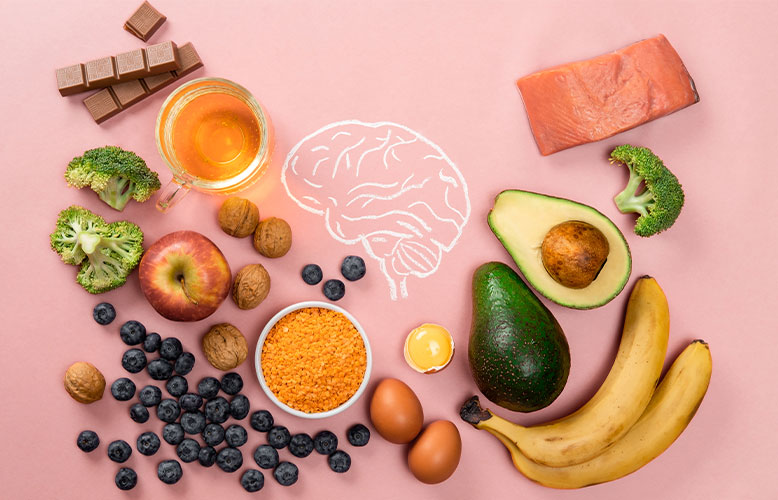
What we eat plays a direct role in how our bodies function. But far beyond fuel for physical activities of daily living, nutrition impacts how we think, feel and focus. The brain is one of the most energy-demanding organs of the body, demanding roughly 20% of the body’s energy. This means that the foods we eat play a meaningful role in mood regulation, concentration, memory and cognition.
While there is no single food that serves as a magic pill, certain nutrients stand out for their role in supporting brain function.
Omega-3 Fatty Acids
Omega-3 fatty acids – especially DHA – are among the most important nutrients for brain health. These essential fats are linked with improved memory, learning ability and reduced rates of cognitive decline, especially when consumed over the long-term. Higher consumption of omega-3’s are also associated with increased mood and lower rates of anxiety.
Experts recommend consuming at least eight ounces of fatty fish and seafood per week to achieve adequate DHA. Top food sources include salmon, trout, herring, mackerel and sardines. Walnuts, flaxseeds, and chia seeds are plant-based sources of the omega-3 ALA, which our bodies convert to DHA in small amounts.
Carbohydrates
Glucose is the brain’s most efficient fuel source, and glucose primarily comes from carbohydrates. A steady supply of fiber-rich carbohydrates through regular, balanced meals will allow your brain to perform best, stabilize blood sugars and promote steady energy levels throughout the day.
Best sources include oats, quinoa, whole grain bread, beans and lentils and fruits.
Anthocyanins
Anthocyanins are plant compounds that give fruits and vegetables their deep blue and purple hue. These powerful antioxidants have been linked with increased cognitive performance, including attention, memory and inhibition, and some studies have linked to decreased risk of depression.
Some wonderful sources to add to your meal plan include blueberries, blackberries, purple or red grapes, cherries, purple potatoes and red cabbage.
Folate
Folate, or folic acid, is vitamin B9, and it plays a critical role in the production of the neurotransmitter serotonin.
Best sources of folate include fortified cereals, beans and lentils, asparagus, leafy greens and nuts.
More important than focusing on a single food, a consistent pattern of nutrient-rich meals may help support mood, sharpen focus and memory and promote long-term cognitive health.