Wellness Club — Eating the Colors of the Flag: The Nutritional Power of Red, White & Blue
Abingdon, VA. -
Wednesday, Jul 1, 2026.
Written by: Chastity O’Quinn, RDN, LDN
Red, white, and blue fruits and vegetables deliver distinct phytochemicals, especially anthocyanins, lycopene, allicin, and polyphenols, that support cardiovascular health, immune function, cancer prevention, and metabolic wellness. These colors aren’t just pretty; they’re nutritional signals. Each hue reflects the unique compounds it contains, and the specific benefits those nutrients provide.
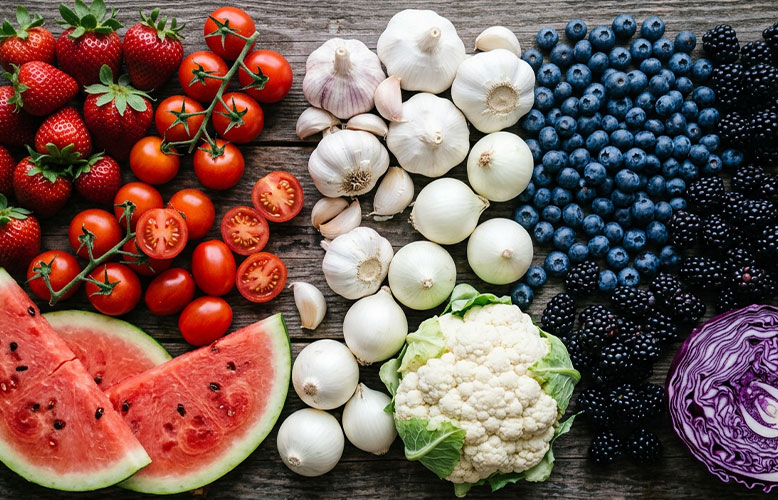
Red foods are bold, antioxidant-rich powerhouses. Their vibrant color comes from anthocyanins and lycopene, two compounds known for calming inflammation and supporting heart health. When you slice into a ripe tomato, snack on strawberries, or enjoy a wedge of watermelon, you’re getting nutrients that help protect your cells and keep your cardiovascular system humming. Red foods offer a clear visual cue that they’re rich in compounds that actively support your health.
White foods, on the other hand, are the quiet achievers. They may not be flashy, but they’re packed with allicin, fiber, potassium, and detox-supporting compounds. Garlic and onions bring immune-boosting benefits; cauliflower offers fiber and vitamin C, and potatoes provide resistant starch to support metabolic health. These foods help stabilize blood sugar, support gut health, and round out your nutrient intake. They’re the foundation that keeps everything else in balance.
Blue and purple foods bring a depth of nutrition that’s both distinctive and highly targeted. Their rich pigments come from anthocyanins, antioxidants known for supporting cognitive health, vascular function, and healthy aging. When you reach for blueberries, blackberries, or purple cabbage, you’re choosing foods that help protect brain cells, reduce inflammation, and strengthen the body’s natural defense systems. They offer a level of nourishment that complements the benefits of the other color groups and rounds out a truly balanced plate.
The colors in produce come from natural plant compounds, and these compounds work together rather than on their own. When they interact, they create stronger health benefits than any single nutrient could provide. That’s why “eating the rainbow” isn’t just about appearance; it reflects how food variety supports your body. A colorful plate is a nutrient diverse plate, and that diversity is one of the most effective tools we have for long term health.
When you bring red, white, and blue foods together, you’re not just creating a festive plate; you’re building a nutrient-dense, antioxidant-rich meal that supports your heart, brain, immune system, and gut. Picture a bowl of watermelon tossed with feta and blueberries, or a grilled salmon fillet drizzled with a blueberry–balsamic reduction, served alongside roasted cauliflower and red peppers. Even a simple breakfast of Greek yogurt topped with strawberries and blueberries becomes a celebration of color and health.
Eating the colors of the flag isn’t just fun; it’s a delicious, approachable way to diversify your nutrients without overthinking it. And the best part? These foods naturally complement each other, both in flavor and in function. A colorful plate is a powerful plate, and red, white, and blue foods make it easy to nourish your body with intention and joy.