Wellness Club — Super Foods
Abingdon, VA. -
Monday, Aug 3, 2026.
Written by: Nicole Pazdziorko, RDN, LDN
The term “superfood” has become a popular way to describe foods with high nutritional value, yet there is no official scientific definition of a superfood. Instead, the word is generally used to describe foods that are especially rich in vitamins, minerals, fiber, healthy fats, or other plant compounds that nourish the body.
While these nutrient-dense foods can be valuable additions to the plate, no single food has the power to prevent disease or maintain health. Research consistently shows that the overall dietary pattern over time has the greatest impact on health throughout the lifespan, and not one “super” ingredient. A balanced eating pattern includes a variety of different foods across all food groups, including fruits, vegetables, whole grains, lean proteins, dairy, legumes, nuts, seeds and healthy fats. Together, these provide the broad spectrum of support the body needs to function.
With that in mind, some foods stand out for the combination of nutrients they deliver in every bite. In the context of a balanced eating plan, these nutrient-dense choices play an important role in building a healthy dietary pattern. Here are a few that deserve a place on your plate.
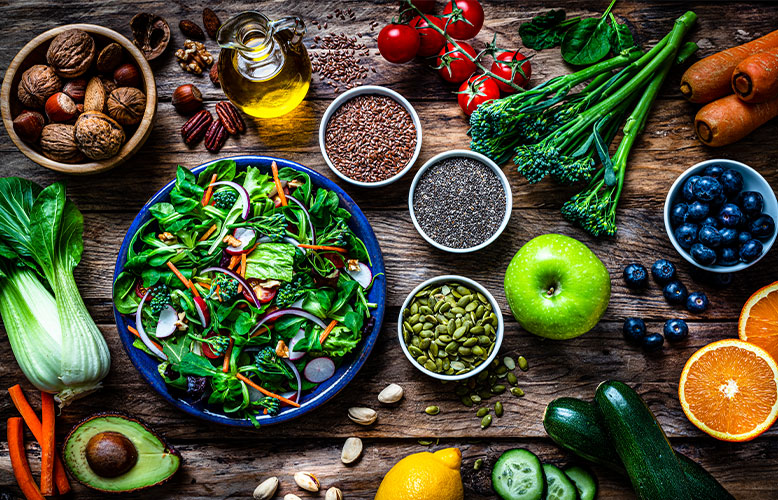
Leafy greens like spinach, broccoli, kale, and arugula provide vitamins K, A and C, along with folate and potassium, making them an easy boost of nutrition in salads. Beans and lentils offer a combination of plant-based protein, fiber, iron, folate, potassium and magnesium. Nuts and seeds provide unsaturated fats, protein, fiber and the antioxidant vitamin E. Berries are high in vitamin C and contain plant compounds called anthocyanins that protect against oxidative stress. And fish and seafood are rich sources of protein, while many contain anti-inflammatory omega-3 fatty acids that support heart and brain health. Yogurt is another nutrient-dense choice, offering protein, calcium and probiotics that populate the gut with good bacteria.
Rather than searching for a magic ingredient, focus on building meals around a variety of nourishing foods. Eating a colorful variety of fruits and vegetables, choosing whole grains, varying lean and plant proteins and enjoying dairy foods will provide all of the nutrients your body needs to thrive.